Expert Tips on Efficient Transportation Logistics Services for Small Businesses


Understanding the Basics of Transportation Logistics
Efficient transportation logistics can significantly impact the success of small businesses. By streamlining the movement of goods from suppliers to customers, businesses can reduce costs, improve customer satisfaction, and gain a competitive edge. Understanding the fundamentals of logistics services is the first step towards optimizing this crucial aspect of your business operations.
Logistics involves several key components, including transportation, warehousing, inventory management, and order processing. Each of these elements must work in harmony to ensure the smooth operation of your supply chain. For small businesses, mastering these components can lead to increased efficiency and reduced operational costs.
Choosing the Right Transportation Partners
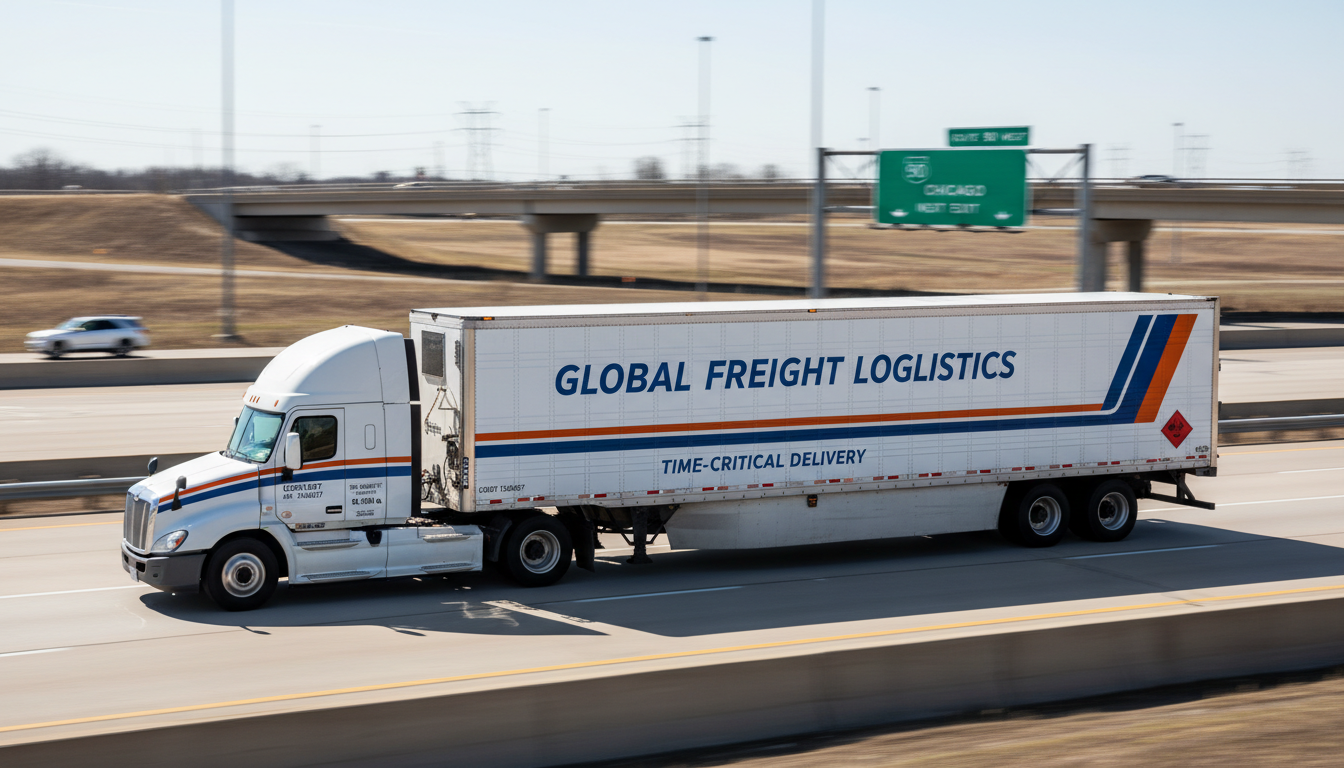
One of the critical decisions small businesses face is selecting reliable transportation partners. Your choice of carriers can affect delivery times, costs, and overall service quality. To make informed decisions, consider factors such as the carrier's reputation, coverage area, pricing, and service options. It's essential to establish strong relationships with trusted carriers who can adapt to your evolving business needs.
Additionally, flexibility is crucial. Opt for transportation partners who can offer a variety of shipping options, such as express delivery, standard shipping, and freight services. This flexibility allows you to meet customer demands effectively while managing costs.

Implementing Technology for Better Efficiency
Technology plays a vital role in modern transportation logistics. Implementing advanced software solutions can help small businesses track shipments in real-time, manage inventory more efficiently, and streamline communication with carriers. Transportation Management Systems (TMS) are particularly beneficial, providing insights into shipping routes, cost analysis, and performance metrics.
Embracing technology not only enhances operational efficiency but also improves customer experience. With features like real-time tracking and automated notifications, customers stay informed about their deliveries, leading to increased satisfaction and loyalty.
Optimizing Routes and Schedules
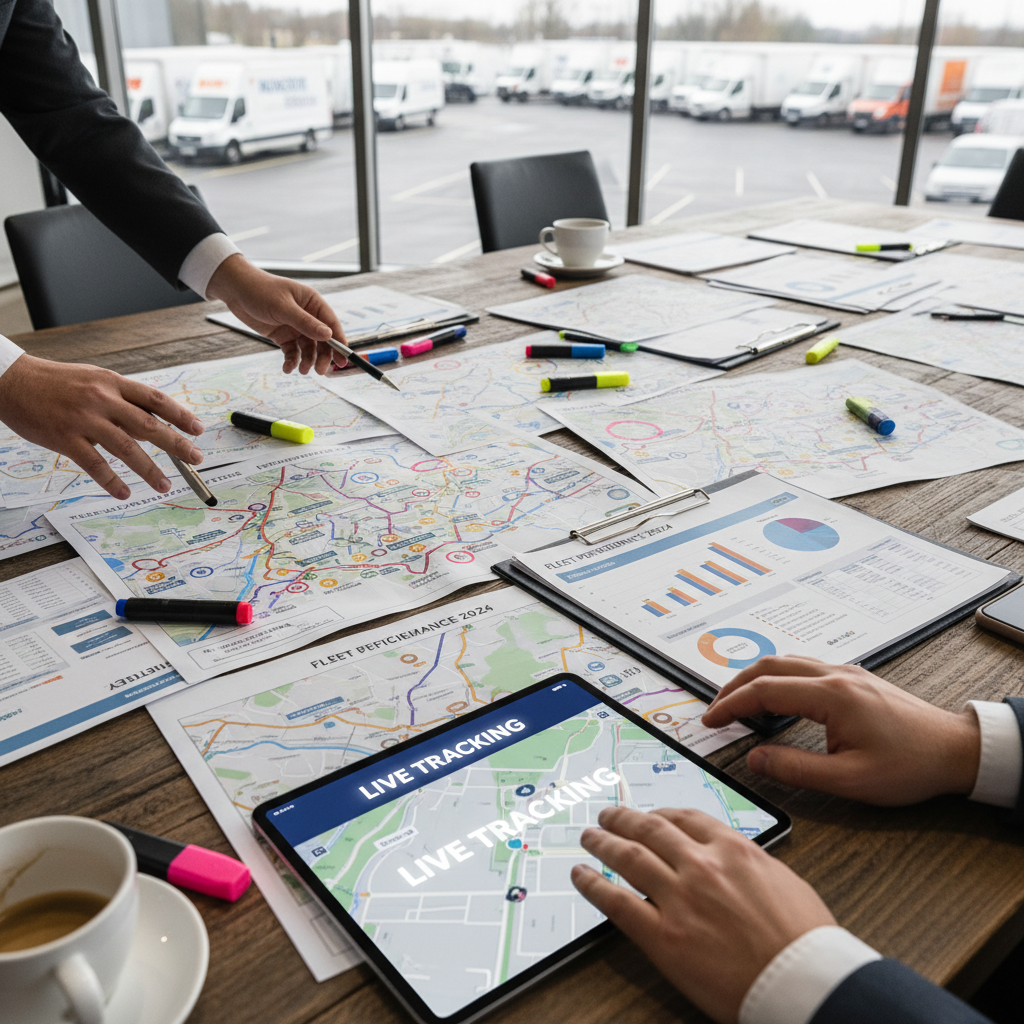
Route optimization is a crucial aspect of efficient logistics services. By analyzing routes and schedules, businesses can minimize transportation costs and improve delivery times. Utilizing route planning software can help identify the most efficient paths and manage delivery schedules effectively.
Consider factors such as traffic patterns, delivery windows, and fuel costs when planning routes. Optimizing these elements ensures that goods are delivered promptly, reducing delays and enhancing customer satisfaction.
Cost Management and Budgeting
Managing transportation costs is vital for small businesses looking to maximize profitability. Conducting regular cost analyses and reviewing carrier contracts can help identify areas for savings. Look for opportunities to consolidate shipments, negotiate better rates, and reduce unnecessary expenses.
Establishing a comprehensive budget for logistics operations ensures that resources are allocated efficiently. Regularly reviewing and adjusting this budget helps maintain cost-effectiveness while meeting business goals.
Building Strong Supplier Relationships
Effective supplier relationships are integral to a successful logistics strategy. Collaborating closely with suppliers can lead to better coordination and improved supply chain efficiency. Regular communication and feedback help align expectations and foster mutual trust.
Consider establishing long-term partnerships with suppliers who understand your business needs and can provide consistent support. These relationships can lead to better terms, priority service, and collaborative problem-solving.

Ensuring Compliance and Safety
Compliance with industry regulations and safety standards is non-negotiable in transportation logistics. Small businesses must stay informed about relevant laws and ensure that all operations adhere to these standards. This includes maintaining proper documentation, following safety protocols, and ensuring that all transportation activities are legally compliant.
Regular training and audits can help maintain safety and compliance, minimizing risks and enhancing the credibility of your logistics operations.
Measuring Performance and Continuous Improvement
Finally, measuring performance is crucial for identifying areas of improvement in transportation logistics. Key performance indicators (KPIs) such as delivery times, cost per shipment, and customer satisfaction should be monitored regularly. Analyzing these metrics helps highlight strengths and pinpoint areas for optimization.
Continuous improvement initiatives, driven by data insights, enable small businesses to enhance their logistics operations over time. By fostering a culture of improvement, businesses can adapt to changing market conditions and stay ahead of the competition.